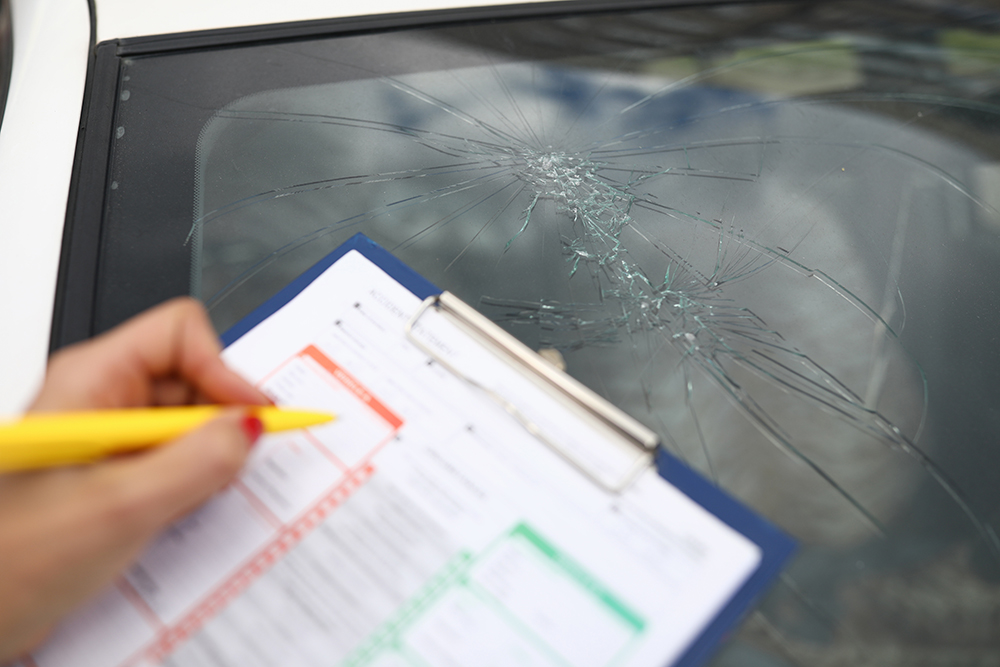
A damaged windshield can become an insurance question fast. One useful safety stat explains why insurers take glass seriously: modern windshields can provide up to 70% of a vehicle’s cabin structural integrity during a rollover. Windshield insurance is clearly tied to visibility, vehicle structure, sensors, and claim rules.
What Windshield Insurance Usually Covers
In Canada, windshield damage is usually handled through comprehensive coverage, not basic liability coverage. Comprehensive coverage applies to non collision events such as rocks, gravel, hail, falling branches, vandalism, fire, and windstorm damage.
If the windshield breaks during a collision, the claim may fall under collision coverage instead.
Common covered situations include:
- Rock or gravel damage from another vehicle
- Hail damage across the windshield
- Vandalism or smashed glass
- A crack caused by falling debris
- Replacement after severe non collision glass damage
Others may have a specific glass endorsement or restriction. Basic liability alone usually does not pay for windshield repair or replacement.
Does Insurance Cover Cracked Windshield Damage?
Yes, cracked windshield insurance may apply if the damage came from a covered event and you carry comprehensive coverage. A cracked windshield should be checked quickly because small chips can spread from temperature changes, road vibration, and winter defrosting. In Ontario, drivers are also expected to maintain a clear field of vision, which makes fixing small chips mandatory.1
Insurance companies often prefer repair when it is safe because it costs far less than replacement. A chip may be repairable if it is small, limited to the outer glass layer, away from the driver’s main viewing area, and not near the edge. Once a crack spreads, reaches the edge, blocks the driver’s view, or affects sensor placement, replacement usually becomes the safer choice.
Does Insurance Cover Windshield Replacement?
Usually, yes, if the damage falls under comprehensive coverage and replacement is required. The bigger question is how much you will pay.
Most policies apply the comprehensive deductible to replacement. In Ontario, common deductibles may sit around $250, $500, or $1,000. If your vehicle has heated glass, rain sensors, cameras, or lane assist systems, the total cost can be much higher.
| Situation | Likely Coverage | Driver Cost |
| Small repairable chip | Comprehensive | Often no deductible |
| Replacement from road debris | Comprehensive | Deductible usually applies |
| Glass broken in an at-fault crash | Collision | Collision deductible may apply |
| ADAS recalibration | Often part of replacement claim | Confirm before booking |
Glass Coverage For Auto Insurance And Deductibles
Auto glass insurance works best when you know your deductible before the glass breaks. A zero-cost chip repair sounds good, but it is not automatic on every policy. Many insurers waive the deductible for resin repairs because early repairs prevent expensive replacements.
Replacement is different. The deductible often applies, and the shop may need insurer approval before ordering glass or completing calibration. Drivers should check:
- Whether they carry comprehensive or all-perils coverage
- The amount of the comprehensive deductible
- Any glass restriction or exclusion
- Whether OEM glass is covered
- Whether calibration is included after replacement
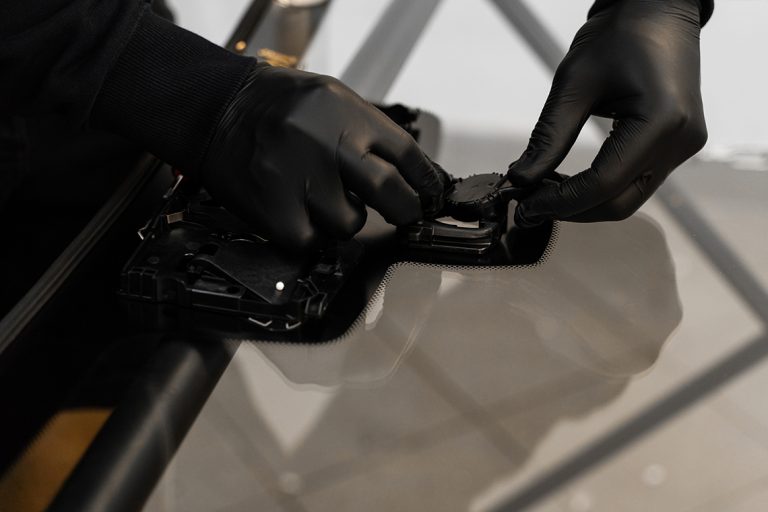
For vehicles with advanced safety systems, ADAS calibration should be part of the claim discussion. A windshield camera that is even slightly misaligned can affect lane keeping, emergency braking, and adaptive cruise control.
Will a Windshield Claim Affect Insurance in Ontario?
A single glass claim under comprehensive coverage usually does not raise premiums because it is generally treated as a no-fault event. A rock kicked up by another vehicle is not something most drivers can reasonably avoid.
There are limits. Multiple glass claims over a short period may lead an insurer to review claim frequency, adjust deductibles, or change policy terms. A glass claim tied to an at-fault collision is different because the collision itself can affect your record.
Before filing, compare the repair or replacement price with your deductible. A small repair may be worth claiming if your insurer waives the deductible. For replacement, the math depends on total cost, deductible, and calibration.
Repair Or Replacement: How The Decision Is Made
A technician does not choose repair or replacement based on convenience. The decision comes down to safety, visibility, and glass strength.
Repair may be possible when:
- The chip is small and shallow
- The damage is away from the windshield edge
- The crack is short and stable
- The driver’s direct line of sight is not distorted
- The ADAS camera view is not affected
Replacement is usually required by inspection standards when damage is long, spreading, deep, close to the edge, or blocking the driver’s view.2 It is also safer if the glass has several chips, delamination, or damage near camera areas.
Frequently Asked Questions
A Rock Hit My Windshield. Will Insurance Cover It?
Usually, yes, if you have comprehensive coverage. Rock damage is commonly treated as a non-collision event. Your deductible and policy limits still apply.
Does Car Insurance Cover Windshield Replacement?
Yes. Car insurance can cover windshield replacement when the cause is covered, and the damage is too severe for repair.
How Do I Know If My Insurance Covers Windshield Replacement?
Check your policy for comprehensive, all perils, glass coverage, deductibles, and any glass exclusions. Your auto glass shop may also help verify coverage.
If A Rock Hits My Windshield Who Is Responsible?
In most cases, no individual driver is held responsible unless there is clear negligence. The claim usually goes through your comprehensive coverage.
Are Windshield Chips Covered By Insurance?
Yes, many policies cover chip repairs, and some insurers waive the deductible for repairable damage. Act early before the chip becomes a full crack.
Final Thoughts
Windshield insurance can save you money, but only if the damage fits your coverage and the claim makes financial sense. Check the deductible, ask about calibration, and fix small chips before they spread.
For a clear repair or replacement estimate, get a quote from us today.
References
- O. Reg. 199/07 COMMERCIAL MOTOR VEHICLE INSPECTIONS | ontario.ca. www.ontario.ca/laws/regulation/070199/v20.
- R.R.O. 1990, Reg. 611 SAFETY INSPECTIONS | ontario.ca. www.ontario.ca/laws/regulation/900611/v7.
You May Also Like