Tinted windows are common across Ontario. Drivers often install tint to reduce glare, add privacy, or help with heat inside the vehicle. Many people assume a darker tint is acceptable everywhere on the car. Even questions about tinted windows being legal in Ontario come up frequently when someone buys a used car or considers adding film to their windows.
This guide explains regulations on tinted windows within Ontario law, the limits for each window, and how those limits affect inspections and tickets.
Why Drivers In Whitby Should Pay Attention To Tint Laws
Drivers in Whitby and across Durham Region regularly ask how Ontario’s tint rules apply to their vehicles. Many cars arrive at repair shops or inspection facilities with tint that does not meet provincial requirements.
At Whitby Auto Glass, technicians often help drivers correct glass issues after inspections or traffic stops related to visibility. In many cases, vehicles need professional glass work once tint film is removed or when glass must be replaced. Our team provides auto glass repair and replacement services for drivers in Whitby and the surrounding communities to help restore safe visibility and proper glass installation after tint removal or other window problems.
What Ontario Law Says About Window Visibility
Ontario does not simply list one universal tint percentage for every window. Instead, the law focuses on whether the driver’s view is obstructed and whether officers can see into the vehicle where required.
Police often refer to visibility provisions under the Ontario Highway Traffic Act when evaluating tinted windows.1 If the glass beside the driver appears too dark, it may be considered substantially obscured.
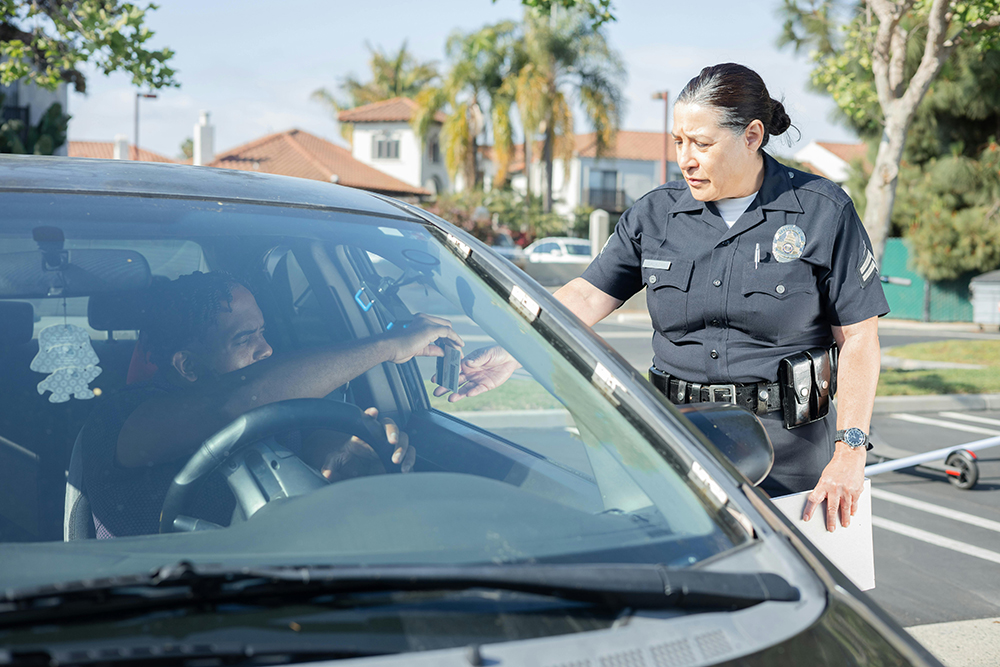
These rules exist because officers must be able to see inside the vehicle during traffic stops, and drivers must maintain a clear view of the road and surrounding traffic.
Understanding Window Tint Percentages
When people discuss tint darkness, they usually refer to Visible Light Transmission, or VLT. This number represents the percentage of light that passes through the glass.
Higher VLT numbers allow more light through the window. Lower percentages appear darker.
For example:
- 70% VLT allows most light through the glass
- 35% VLT appears noticeably darker
- 20% VLT creates a very dark window
Factory glass already blocks some light. Adding film lowers the final VLT even further. This is why a film labelled “70 percent” may still produce glass that is darker than allowed once it is applied to factory windows.
Legal Window Tint Percentage By Type
Ontario inspection standards place specific limits on certain windows, especially on vehicles manufactured after January 1, 2017.
The table below summarizes how tint rules generally apply.
| Window Area | Typical Ontario Limit | Practical Meaning |
| Windshield | Minimum 70% VLT | Tint film is not allowed across the main viewing area |
| Front Side Windows | Minimum 70% VLT | Dark film usually violates the rule once combined with factory glass |
| Rear Side Windows | No specific VLT percentage | Darker tint is usually allowed |
| Rear Windshield | No specific VLT percentage | Darker tint is usually allowed |
Drivers often ask how much window tint is legal because the rules vary by window position. The front driver and passenger windows have the strictest limits.
Can I Tint My Front Windshield?
Ontario inspection standards generally prohibit tinted film on the windshield’s main viewing area. The only common exception is a narrow strip along the top portion of the windshield. This strip is typically used as a sunshade.
Anything beyond that upper band may cause the vehicle to fail inspection or attract police attention during a traffic stop.
What Is The Darkest Legal Tint In Ontario?
For vehicles manufactured after 2017, the front side windows must allow at least 70 percent of light through the glass. Because factory glass already blocks some light, even moderate tint film can push the total below the limit of legal window tint in Ontario.
The rear windows follow different rules. A darker tint is usually allowed if the vehicle has functioning side mirrors on both sides. This requirement allows drivers to maintain proper rear visibility even with darker rear glass.
Why Tint Can Cause Problems During Safety Inspections
Window tint can affect the outcome of a vehicle safety inspection. Inspectors must check whether the glass meets the minimum visibility requirements.
Common inspection issues include:
- Tint film applied to the windshield
- Front windows measuring below the allowed VLT
- Reflective or mirrored films
- Film that has bubbled, peeled, or distorted visibility
These concerns often appear during vehicle transfers, registration processes, or repairs that require a provincial inspection under Ontario safety inspection standards.2
Drivers sometimes discover the issue only when selling a vehicle or completing paperwork after purchase.
Is 20% Window Tint Darker Than 35%?
Yes, 20% tint is darker than 35%. The percentage represents how much light passes through the glass. A lower number means less light enters the vehicle, so the window appears darker.
Many drivers choose 20% tint because of the privacy it provides. On front windows in Ontario, that level almost always exceeds the legal limit once combined with factory glass.
Signs Your Window Tint May Be Too Dark
Drivers may not notice a problem with tint until an inspection or a traffic stop. Some warning signs can indicate the tint may fall outside Ontario’s legal range.
- Officers cannot clearly see the driver through the front window
- Interior objects are difficult to see from outside the car
- The vehicle recently failed a safety inspection
- The tinted film looks darker than most vehicles on the road
A professional tint meter provides the most reliable measurement. Many glass shops can test the combined VLT quickly.
What To Do If Your Tint Does Not Meet Ontario Rules
If the tint is too dark, removal is usually the easiest solution. Professional removal prevents damage to defroster lines or window seals.
In some situations, replacing the glass becomes necessary if film removal causes scratching or adhesive problems.
Drivers in Whitby often visit Whitby Auto Glass when tint removal reveals chips, cracks, or weakened glass. Repairing the glass early prevents further visibility issues and helps restore safe driving conditions.
Final Thoughts
Ontario tint laws focus heavily on the windows beside the driver and the windshield. Rear windows allow more flexibility, but front visibility must remain clear.
Drivers planning to tint their windows should verify the final VLT before installation. This step can prevent tickets, inspection failures, and unnecessary repairs.
If you need help after tint removal or have glass issues affecting visibility, request a quote from us!
References
- Highway Traffic Act, R.S.O. 1990, C. H.8 | ontario.ca. www.ontario.ca/laws/statute/90h08.
- R.R.O. 1990, Reg. 611 SAFETY INSPECTIONS | ontario.ca. www.ontario.ca/laws/regulation/900611.
You May Also Like