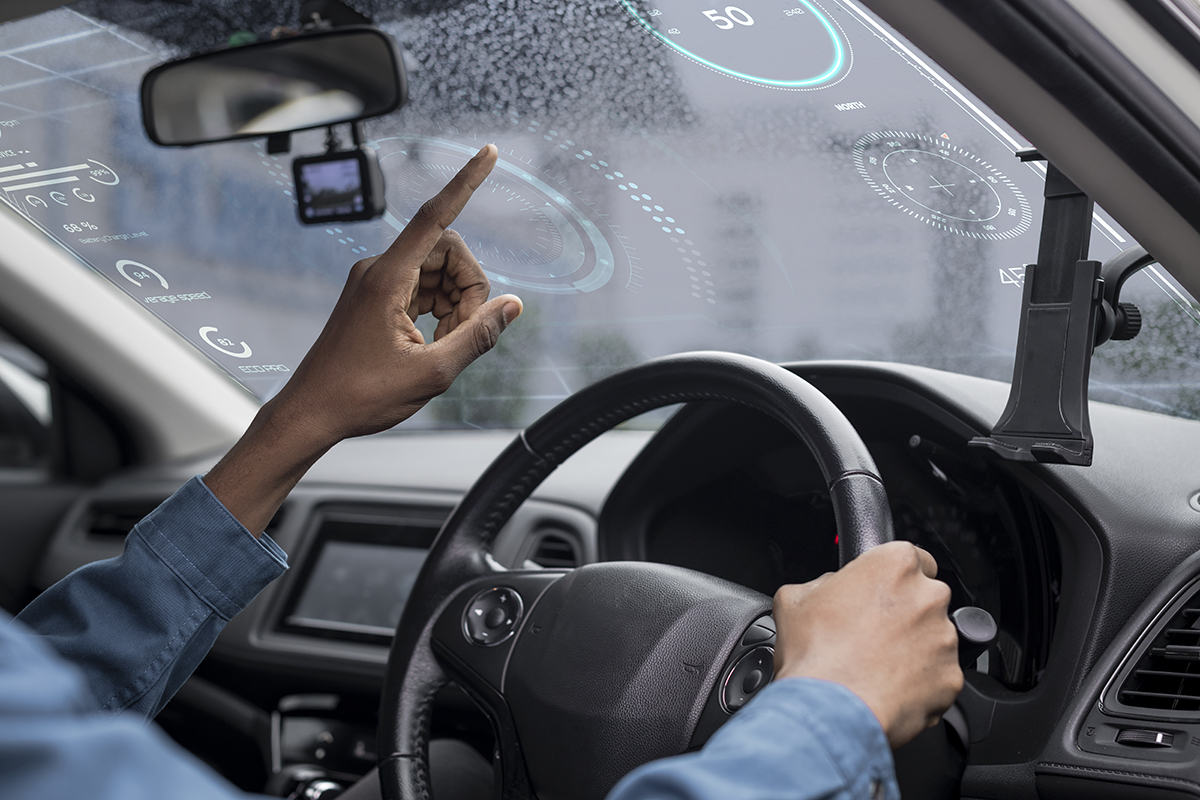
Smart windshields are turning the front glass into an active safety and comfort system. Automakers now embed optics, sensors, heating elements, and displays inside laminated layers. The result is steadier visibility and fewer glare spikes, with faster recovery from frost and slush. In this blog, we discuss how this technology works, its real-world benefits, and what it means for drivers in Canada’s variable weather.
What A Smart Windshield Is
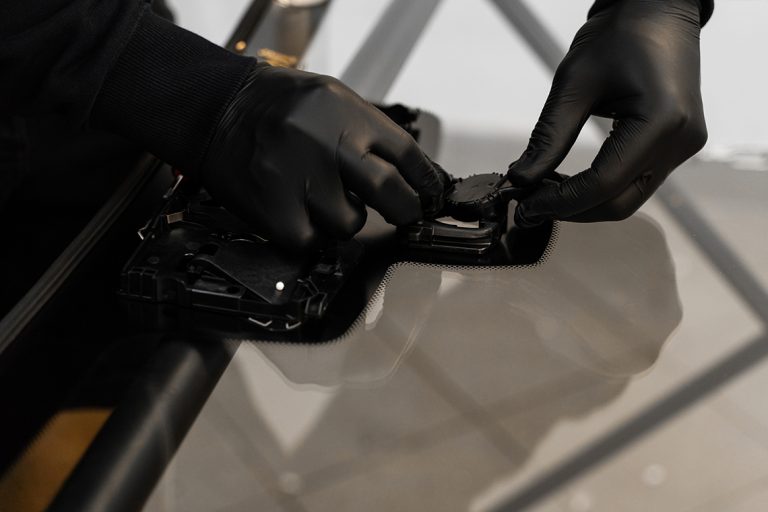
A smart windshield is laminated safety glass that hosts sensors, cameras, conductive heating, and display zones. Many vehicles pair the glass with a head-up display to keep guidance in your line of sight. For proper installation and calibration, choosing a trusted auto glass service helps maintain visibility and sensor accuracy through all weather conditions. Together, these elements support a clear vision in rain, snow, and bright sun without extra effort from the driver.
How Smart Glass Works
Multiple switching technologies make smart glass technology practical in vehicles. Electrochromic layers change tint when a small voltage moves ions across a thin film. Suspended Particle Devices align microscopic particles to control light. Polymer-dispersed liquid crystal films switch between translucent and clear for privacy or glare control. Photochromic films react to UV to add shading.
Advances in materials are moving quickly. A Canadian research grant supported by NRC explored new films that make windshields more durable and resistant to scratching, showing how innovation is improving safety and visibility.1
Benefits For Drivers
- Safety. A stable, clear view gives driver assistance cameras a better picture of lanes, vehicles, and pedestrians.
- Comfort. Adaptive tint reduces eye strain on long days. Heated zones clear fog and frost without scraping.
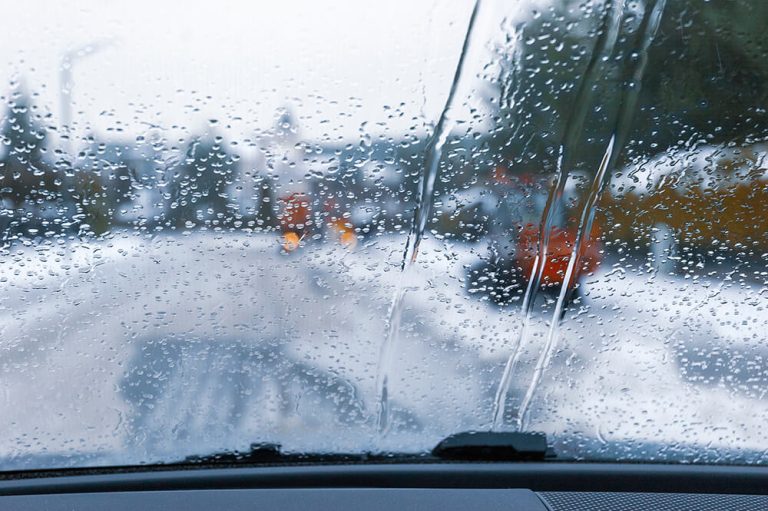
- Visibility. Hydrophobic coatings and smarter wiper logic keep the view open in sleet and slush. Night glare drops when the system darkens the right area of the glass.
Smart Windshields In Canadian Weather
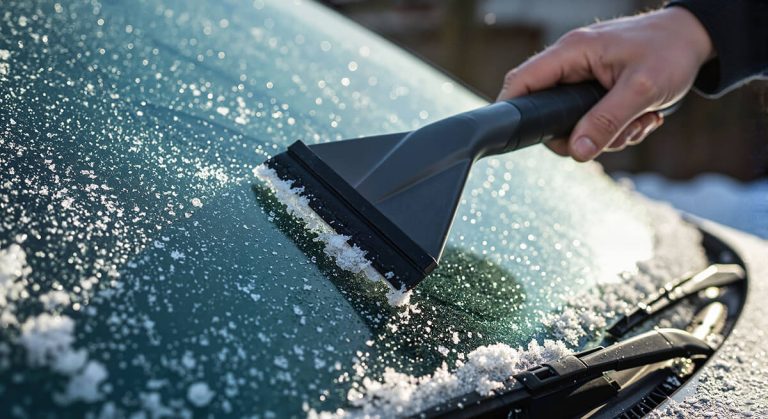
Cold snaps, black ice, and lake effect snow challenge any windshield. Heated interlayers release frozen wipers and reduce fogging. Hydrophobic glass helps shed dirty spray that builds behind trucks. In deep winter, many owners follow safe ways to de-ice their windshields that avoid scratches and keep coatings intact.
Where Smart Glass Shows Up Today
- Panoramic roofs that dim to cut cabin heat and UV.
- Upper windshield “virtual visor” bands that darken instantly against the low sun.
- Side windows that tint for passengers while keeping the driver’s view clear.
Table: Smart Glass Options In Vehicles
| Technology | What It Does | Typical Use | Switching Speed |
| Electrochromic | Variable tint with low power draw | Roofs, side glass | Seconds to minutes |
| SPD | Fast, variable tint for glare control | Sun visor band, HUD contrast | 1 to 3 seconds |
| PDLC | Clear to opaque privacy control | Partitions, parked privacy | Milliseconds |
| Photochromic | UV-activated shading | Aftermarket films | About 30 seconds |
How Smart Glass Improves Daily Ownership
Smart features work best when the window system is healthy. Slow or noisy movement points to dry tracks or tired regulators, which are easy to spot by reviewing why your car window is slow or squeaky. Water around the A pillars after storms signals a seal issue, and a hose test can confirm the source. If moisture appears at the top of the glass, cameras and the headliner can suffer, so prompt service protects sensitive modules.
What An Auto-Dimming Windshield Means
The phrase auto-dimming windshield usually refers to an electrochromic or SPD layer that reduces glare from bright sun or night traffic. The system holds contrast steady for the driver and helps cameras read lane lines after fresh snow. Many vehicles also use the same principle for rearview mirrors and side glass to smooth out sudden brightness changes.
Cars With Electrochromic Glass
Automakers are delivering smart glasses on car windows in more trims every year. Several brands install electrochromic glass on car roofs to control heat without bulky shades. The approach preserves headroom, trims HVAC load, and lets drivers fine-tune the light level. As costs drop, the same control is moving into the side windows and the upper windshield band. Owners get less heat soak in summer and fewer glare spikes on winter afternoons.
Why Calibration Still Matters
Windshield cameras and sensors sit within millimeters of their intended alignment. After a replacement, even small shifts can change where the system thinks a lane or vehicle sits. According to Transport Canada’s Motor Vehicle Safety Regulations, every windshield used in a replacement must meet optical clarity and structural standards that support those systems. That is why ADAS calibration after windshield replacement is part of a proper installation. Shops that handle glass and electronics together return vehicles with accurate alerts and fewer comebacks.
Industry Impact
Smart glasses on car windows are changing how auto glass is specified and installed. Replacement work now calls for HUD-compatible glass, matched optical coatings, proper brackets, and calibration equipment. Suppliers, installers, and software teams coordinate to match glass specs with camera models and displays. Better matching reduces ghosted head-up images and keeps warnings accurate.
How Smart Glass Technology Will Evolve
Progress points to larger augmented reality displays, faster switching films, and coatings that better resist chips and pitting. Wider V2X use will add warnings from beyond the line of sight. Expect clearer labelling for HUD-ready glass and broader availability of adaptive tint bands. As adoption rises, more mid-priced vehicles will offer a smart windshield package rather than reserving it for luxury trims.
If Things Go Wrong
Leaks, fogging edges, or double images in a head-up display usually trace to the wrong glass spec, a seating issue, or a missed calibration step. A hose along the perimeter can expose a gap without pulling the interior apart. When water appears inside, start with practical steps on what to do if your windshield leaks and book service if the problem repeats after drying the area.
Conclusion
The smart windshield combines optics, sensors, and heating in one structure that makes driving safer and more comfortable through glare, frost, and passing headlights. As smart glass technology expands to side windows and mirrors, these features will become standard across more vehicles.
If you’re exploring options for advanced glass replacement, Whitby Auto Glass offers clear pricing and experienced technicians familiar with HUD and ADAS-compatible windshields.
References
- Grants and Contributions. search.open.canada.ca/grants/record/nrc-cnrc%2C172-2021-2022-Q3-980109%2Ccurrent?.
- Legislative Services Branch. Consolidated Federal Laws of Canada, Motor Vehicle Safety Regulations. 1 Jan. 2025, lois-laws.justice.gc.ca/eng/regulations/c.r.c.%2C_c._1038/fulltext.html.
You May Also Like