A small chip can turn into a long fracture when heat, vibration, and time stack up. Knowing what you are looking at helps you act before the damage spreads. Modern windshields add roof strength, support airbag performance, and keep sightlines clear for driver assistance cameras. Canadian regulations also limit how far vehicle parts may intrude into the glass area during a crash, which shows how important an intact screen is to occupant protection. These crash protection standards restrict intrusion at impact speeds up to 48 km/h.1
Windshield Crack Types
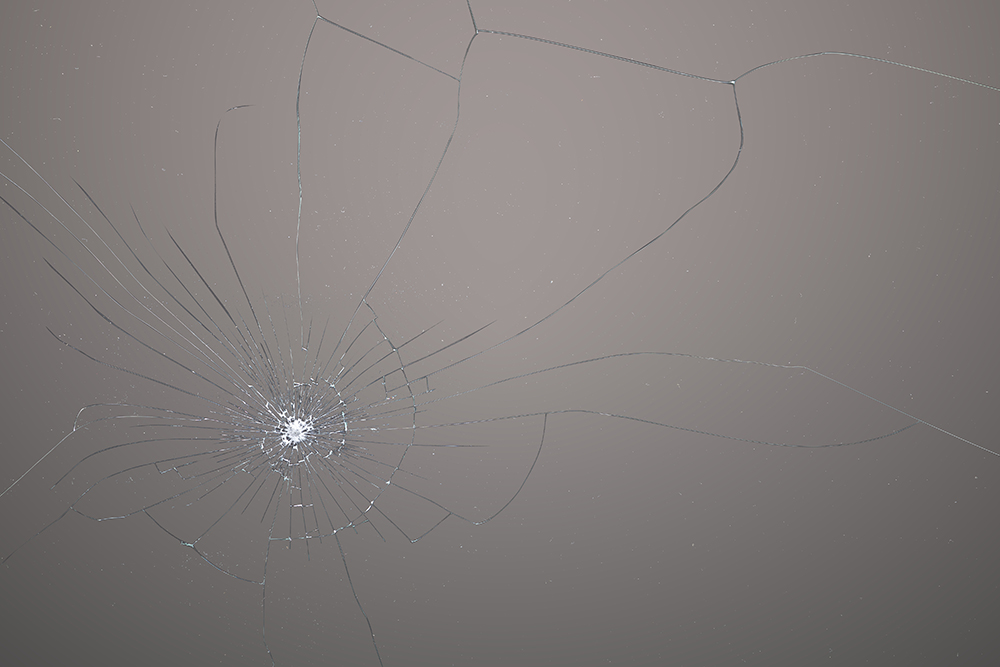
Common patterns have predictable causes, and spotting them early can help determine whether windshield repair is still an option. A bullseye forms a round cone with a dark centre after a blunt strike. A star crack shows thin lines that radiate from a sharp pit. A half moon looks like a crescent when debris glances off the surface. Small chips may appear as shallow pits with or without short legs. When a chip grows into a single line, it becomes a long crack. If that line begins near the border, it is classified as an edge crack and carries a higher risk of spreading. Damage that appears without a visible impact point is often a stress crack caused by temperature changes or normal body flex.
Types of Windshield Cracks and Causes
Driving in Canada brings three familiar triggers.
- Road debris from winter sanding and highway traffic chips the outer layer. Unrepaired chips tend to extend with bumps and seasonal temperature swings.
- Thermal shock turns tiny flaws into visible breaks. Pouring cold water on hot glass or blasting a frozen pane with high heat can set off sudden cracking.
- Structural load spreads minor damage. A weak bond or an impact near the edge can grow into a long line as the body twists over potholes and curbs.
Understanding these types and causes helps you decide whether a repair is reasonable or a replacement keeps the vehicle safer.
Repairable Windshield Cracks

Many small breaks can be stabilized with resin. The technician evacuates air from the void and fills it to reduce light scatter and halt growth. Typical candidates include modest bullseye or star damage and short line cracks located well away from the border. Stress cracks are usually not repairable because they stem from deeper strain. Anything that interferes with the driver’s view or sits in a wiper sweep is better replaced. Moving quickly helps, since dirt and moisture reduce the chances of a clear, durable repair.
Common Crack Types at a Glance
| Type | Appearance | Usual Cause | Often Repairable |
| Bullseye | Round cone, dark centre | Blunt stone impact | Yes, if small |
| Star crack | Radiating fine legs from a pit | Sharper debris | Sometimes |
| Half moon | Crescent-shaped partial bullseye | Glancing hit | Yes, if small |
| Long crack | Single curving line | Chip that spread | No |
| Edge crack | Starts at or near the border | Stress or install issue | No |
| Stress crack | No clear impact point | Rapid temperature change | No |
Quick Field Checks Before You Call
- Photograph the break straight on and at a shallow angle. Glare can reveal hidden legs.
- Measure its length and the distance from the nearest edge. Recheck after a day to confirm whether it is growing.
- Sit in the driver’s seat and look through the damage. If your eyes fight to focus past it, treat it soon.
- Check the upper centre area near the mirror. Many vehicles place a camera there, so clarity in that zone matters.
Chipped vs Cracked Windshield
A chip removes a tiny piece of the outer glass and may stay stable for a while. A crack is a line that responds to heat, cold, and vibration. Chips treated early are often salvageable. Cracks are more likely to extend, especially in winter. Once a line reaches the edge, replacement is the practical path because it restores strength and optical quality.
Care, Prevention, and Real World Triggers
- Leave extra space behind trucks throwing gravel or salt. Most windshield chip types start with debris from the vehicle ahead.
- Warm frozen glass gradually. Avoid sudden temperature swings that can turn a flaw into a stress crack.
- If you find windshield leaks, such as moisture creeping behind trim or pooling at the dash, proper sealing protects the bond.
When to Repair and When to Replace
Repair makes sense for clean, small damage placed away from edges and sightlines. Replace the glass if the crack is long, reaches the border, blocks the driver’s view, or presents as a stress crack. Cars with driver assistance features also rely on clear, correctly positioned glass so the systems can read lane lines and traffic. That context aligns with the NHTSA’s driver assistance technology safety guidance, which explains how warning and automatic braking features are designed to reduce crash risk tied to human error.2
FAQs
What cracks can be repaired in a windshield?
Small bullseye, half moon, and short star damage can be repaired when the break is well away from the edge and outside the driver’s primary field of view. A technician will check size, contamination, and flex before injecting resin.
Can a windshield shatter from a crack?
Laminated glass holds together rather than breaking into sharp pieces. The concern is strength loss. Long or edge cracks can reduce structural support, so any rapid spreading should be checked promptly.
How big of a windshield chip can be repaired?
As a general rule, bullseyes under about 25 millimetres and star legs under about 75 millimetres are considered repairable. Location still decides the outcome. If the damage sits in the camera zone or the main view, replacement is usually the safer call.
What should I do when the windshield cracks?
Keep the area stable. Avoid extreme heat or cold. Do not aim pressure washers at the edges. Cover the spot with clear tape to keep out moisture and dust if you must keep driving. Measure any growth and plan replacement if the line reaches the border.
Final Thoughts
Every type of glass damage tells a story about how the impact happened and what may come next. The sooner you act, the easier it is to keep repair an option and maintain full safety performance. If you would like to look at cost ranges before deciding, get a quote from Whitby Auto Glass today!
References
- Transport Canada. Windshield Zone Intrusion: Technical Standards Document No. 219, Revision 0R. Government of Canada, 13 Feb. 2013.
- “Driver Assistance Technologies | NHTSA.” NHTSA, www.nhtsa.gov/vehicle-safety/driver-assistance-technologies.
You May Also Like