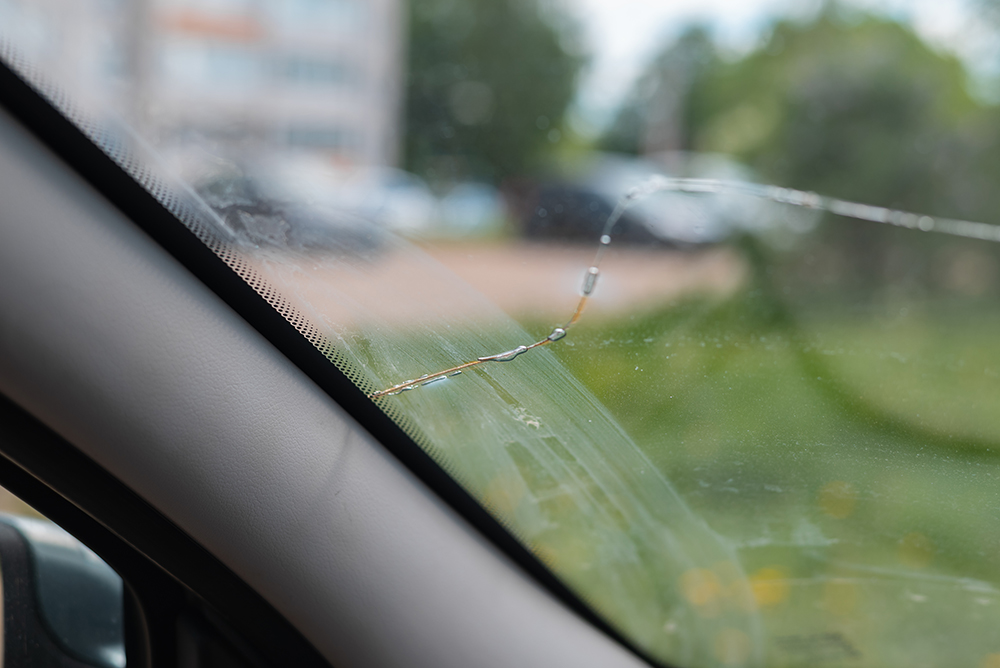
A windshield can look serviceable while its safety margin is already gone. Canadian drivers face gravel spray, road salt, sudden freezes, potholes, and long winter nights. If you’re unsure whether damage can be repaired or requires replacement, the team at Auto Glass Whitby can assess the condition of your windshield and recommend the safest solution. So, how do you know if a windscreen needs replacing? It comes from four checks: where the damage sits, how deep it goes, how much it affects vision, and whether the crack pattern keeps spreading.
Modern windshields are laminated glass, with two glass layers bonded around a plastic inner layer. They support passenger side airbag deployment, roof stability in a rollover, and frame retention during a collision. Once those roles are compromised, replacement becomes the safer call.
When To Replace a Windshield
Immediate replacement is usually needed when damage affects the edge, driver’s view, inner glass layer, or several areas. Edge cracks are serious because the glass perimeter bonds to the vehicle frame. A break close to that border can weaken the seal and reduce the windshield’s ability to stay in place during impact.
Act quickly if you see:
- A crack touching the edge of the glass
- A chip or crack in the wiper swept area on the driver’s side
- Spiderweb damage or intersecting cracks
- More than two separate impact points
- A crack you can feel from inside the vehicle
- Haze, pitting, or glare that cleaning does not fix
Canadian freeze-thaw cycles can turn a small chip into a long crack overnight. Water enters the crack, freezes, expands, and pushes the glass layers apart. Blasting high heat from the defroster onto frozen glass adds thermal stress, which can spread the crack across the windshield.
Replace vs. Repair Windshield
Repair works only when damage is small, fresh, clean, shallow, and outside the driver’s direct view. Resin can stabilize certain chips in the outer layer, but it cannot rebuild a weakened edge or remove every optical distortion. A repaired mark in the main sightline can still scatter light.
| Damage Factor | Repair May Work | Replacement Is Safer |
| Size | Small chip or short isolated crack | Large, spreading, or branching damage |
| Location | Away from the driver’s direct view | In the wiper swept sightline |
| Edge Distance | Clear of the glass border | Touching or close to the perimeter |
| Depth | Outer layer only | Inner glass or plastic interlayer affected |
| Condition | Clean and dry | Dirty, wet, old, or cloudy |
Government of Ontario Regulation 611 under the Highway Traffic Act treats windshield visibility as a safety inspection issue.1 A passenger vehicle can fail when damage obstructs or distorts the driver’s clear view, when multiple cracks appear in the wiper area, or when structural damage affects secure mounting.
Windshield Crack Too Big To Repair
Length is only one factor. A shorter crack can still demand replacement when it reaches the edge, crosses another fracture, sits in the driver’s view, or shows signs of contamination. Once moisture, grime, oil, or washer fluid enters, the repair resin may not bond properly.
Different windshield cracks behave in different ways. A star break sends small lines outward from a centre point. A bullseye leaves a circular fracture around the impact. Long cracks respond poorly to vibration, cold, and cabin pressure changes.
Check the damaged area from inside and outside the vehicle. If you feel a rough line on the interior surface, the break has passed through more than the outer layer. Cloudy edges can also point to moisture entering the laminate. Both signs call for prompt replacement.
Damaged Windshield Symptoms
Some warning signs appear while driving. Heavy pitting from winter sand can leave thousands of tiny marks on the outer surface. Under low sun or headlights, those marks create haze.
Watch for:
- Glare from oncoming headlights or streetlights
- Wipers that chatter, skip, or leave streaks after blade replacement
- A foggy look that remains after cleaning
- Wind noise near the glass border
- Water leaks around the windshield
- Camera or driver assistance warnings after glass damage
Vehicles with lane keeping, forward collision warning, automatic emergency braking, or traffic sign recognition may have cameras mounted behind the rearview mirror. After glass replacement, those systems often need calibration because tiny glass position changes can affect camera aim. The rise of smart windshields has made proper installation and calibration part of basic safety service.
What is the Lifespan of A Windshield?
There is no single expiry date. A windshield can last as long as the vehicle when the glass remains clear, undamaged, and securely bonded. In Canada, service life often depends on exposure. Gravel roads, salted highways, scraper use, sanding trucks, and abrupt temperature changes all wear the glass faster.
Age alone should not drive the decision. Visibility and structure should. Replacement becomes necessary when pitting causes glare, cracks keep spreading, moisture enters the laminate, or the glass no longer clears properly in rain and snow.
The Government of Nova Scotia guidebook for National Safety Code Standard 11B sets strict glass criteria for commercial vehicles.2 It includes rejection conditions for cracks in the wiper swept area, visible separation from the body frame, and defroster problems that prevent a clear windshield.
What To Do Before Your Appointment
Simple steps can slow damage until inspection.
- Cover a fresh chip with clear tape to keep out dirt and moisture.
- Warm frozen glass gradually with low defroster heat.
- Leave a side window slightly open before closing doors to reduce cabin pressure.
- Avoid hot water, aggressive scraping, and retail repair kits.
- Keep the vehicle parked after installation until the adhesive cure time has passed.
Professional replacement should include correct primers, quality adhesive, proper safe drive-away time, and calibration when the vehicle requires it. Fast service also reduces the chance of moisture, dirt, or vibration turning a repairable impact into a full glass failure. A rushed job can lead to leaks, wind noise, weak bonding, or driver assistance errors.
Conclusion
A damaged windshield should be judged by safety, not by how small the mark looks at first glance. Cracks near the edge, damage in the driver’s view, inner layer fractures, heavy pitting, spreading cracks, and ADAS warnings all point to replacement rather than repair. Canadian roads make delays riskier because cold snaps, potholes, road salt, and gravel can worsen glass damage quickly.
A proper replacement restores visibility, helps the windshield stay bonded to the frame, and supports the safety systems built around the glass. When the vehicle has cameras or driver assistance features, correct calibration also needs to be part of the job.
For safe replacement pricing, get a quote from Auto Glass Whitby today.
References
- R.R.O. 1990, reg. 611 SAFETY INSPECTIONS | Ontario.ca. (n.d.). https://www.ontario.ca/laws/regulation/900611
- Canadian Council of Motor Transport Administrators. National Safety Code Standard 11: Maintenance and Periodic Inspection Standards. Canadian Council of Motor Transport Administrators, Jan. 2020.
You May Also Like